
Posts Tagged ‘ALLAH’

Zia Mohiuddin reads Ibn e Insha – Bahadur Allah Ditta
August 9th, 2011, posted in Zia Mohiuddin
ALLAH’s 99 Name : Al-Asma al-Husna
July 17th, 2011, posted in Islam
The Beautiful Names of Allah (Subhanuhu WaTa’ala)
Al-Asma al-Husna
I thought it would be good to post the  all ninety-nine names of Alalh (SWT) in Arabic as well as their transliterations and meanings in English. It is envisaged that the user will recite and learn at least 3 names / attributes per day and benefit from their inspirations as well as their usage in our duas (supplications).
“Those who believe and whose hearts find satisfaction in the remembrance of Allah: for without doubt in the remembrance of Allah do hearts find satisfaction.†(Sura Rad 13:28)
ALLAH is the Name for the Creator and Sustainer of the entire creation. The Name ALLAH is unique in that it cannot be corrupted and written as god, or
goddess and gods or goddessesses, thereby compromsing  HIS (SWT) wahdaniyah (Oneness) which is tantamount to shirk (attributing partners to ALLAH – SWT). The title ALLAH is thus the ideal for the One Whom we revere, glorify and worship.
The Prophet Muhammad (s.a.w.s) said,
“Allah has ninety-nine names. Whoever learns, understands and recites them constantly, will enter Jannah.â€(Sahih Muslim).
Allah (SWT) does not desire anything from HIS creation except that He (SWT) alone is worshipped. But we cannot truly worship ALLAH (SWT) unless we learn to know HIM (SWT) and HE (SWT) cannot be known except if HE (SWT) is remembered. It is through al-Asma al-Husna that Allah (SWT) has made it possible for us to grasp some of HIS (SWT) manifestations in creation. ALLAH (SWT) states in the Holy Quran.
“And to Allah belongs the Beautiful Names, so call upon HIM by these Names.†(Al-Araf, 7:180)
The ninety-nine Names of ALLAH (SWT) are in essence His (SWT) Attributes which are termed as al-Asma al-Husna (The Beautiful Names). Through these Names we come to understand the majesty and grandeur of ALLAH (SWT). The Prophet Muhammad (s.a.w.s) aptly encouraged us saying “inspire yourselves with teh qualities of ALLAH.†This means that we ought to display, for example, mercy, compassion and forgiveness, etc. when
interacting with each other and with other creatures in this world.
We should thus make it our duty to learn, understand and recite these Beautiful Names of ALLAH (SWT) and also call upon ALLAH (SWT) with HISÂ (SWT) unique Attributes when engaged in our duas (supplications)
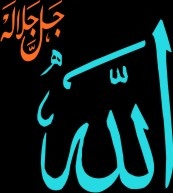
1. Allah
The One Almighty Allah who alone is worthy of worship
Whoever recites Allah 1000 times daily, all doubts and uncertainties will be removed from his heart, and instead determination and faith will become inborn in him.
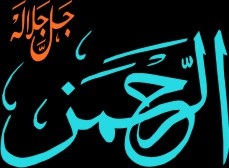
2.Al-Rahman
The Most Compassionate
Reciting Ya Rahmanu 100 times after each obligatory salah will protect one against heedlessness, forgetfulness and anxiety.
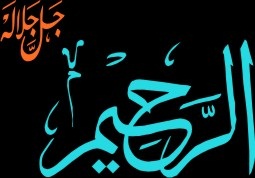
3. Al-Rahim
The Most Merciful
Reciting Ya Rahimu 100 times after salat al-Fajr will attract kind and friendly treatment from all creatures.

4. Al-Malik
(The Sovereign)
Constantly reciting Ya Maliku will result in enjoying respect and dignity in the sight of others.
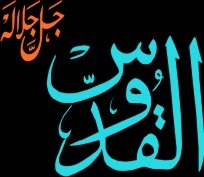
5. Al-Quddus
The Holy One and One who is free from all blemishes
Reciting Ya Quddusu 100 times each day will purify our hearts and relieve us from all anxiety.
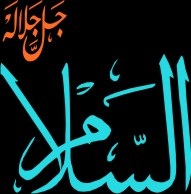
6. Al-Salam
(The Giver of Peace or One who is immune from all distresses )
Reciting Ya Salamu 160 times over a person who is ill will help in making that person recover from his/her illness.
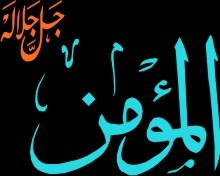
7. Al-Mumin
( The Giver of faith )
Reciting Ya Mu’minu will safeguard us from the evil of the enemy.

8. Al-Muhaymin
( The Giver of Protection )
Reciting Ya Muhayminu after having performed the ablution will result in one’s inner being becoming radiant.
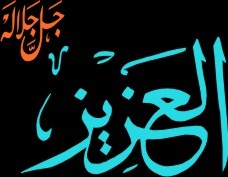
9. Al-Aziz
( The Mighty )
Reciting Ya Azizu 40 times after salat al-Far from 40 days will result in Allah(SWT) freeing us from dependance on others.
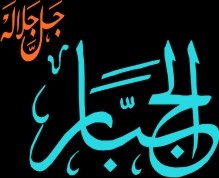
10. Al-Jabbar
( The Overpowering Lord )
Whoever recites Ya Jabbaru will not be subjected to coercion, and will not be exposed to violence, severity or harshness.
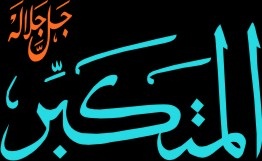
11. Al-Mutakabbir
( The Self-Glorious )
Allah (SWT) will bestow righteous children to the husbands who recite Ya Mutakabbiru before approaching their wives.
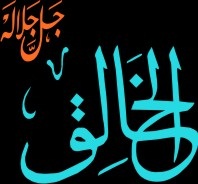
12. Al-Khaliq
( The Creator )
A childless wife who wishes to have children should fast for seven days and break her fast at the proper time each day with a glass of water over which she has recited Ya Khaliqu, Ya Bari’u and Ya Musawwiru 21 times. By doing that insha’ Allah she will be able to conceive.

13. Al-Bari
( The One Who gives life )
A childless wife who wishes to have children should fast for seven days and break her fast at the proper time each day with a glass of water over which she has recited Ya Khaliqu, Ya Bari’u and Ya Musawwiru 21 times. By doing that insha’ Allah she will be able to conceive.

14. Al-Musawwir
(The Fashioner of unique beauty)
A childless wife who wishes to have children should fast for seven days and break her fast at the proper time each day with a glass of water over which she has recited Ya Khaliqu, Ya Bari’u and Ya Musawwiru 21 times. By doing that insha’ Allah she will be able to conceive.
I Mostly Say Yes I am One When They Call Me
June 15th, 2011, posted in Ink On PAPER, PAKiSTAN, POEtRY.., SufismMystifying is the turn of time, indeed. The same Allama Iqbal who was given fatwa’s on, by his contemporary “Mullahs†is now quoted by well-reputed Mullahs of the same school of thought.
The same Bulleh Shah, who had been refused by the mullahs to be buried after his death in the community graveyard because of his unorthodox views, today enjoys worldwide reverence and is quoted by contemporary mullahs. The tomb of Bulleh Shah in Qasur and the area around it is today the only place free of collective refuse, and the privileged of the city pay handsomely to be buried in the proximity of the man they had once rejected.
Maulana Rum (aka Rumi), who was condemned as a kaafir, is not only the top selling poet across the globe but is held in high reverence by people of all religions.
Honestly, I am not such a genius person.I dont know what right is but I do know what wrong is.I think that the verses of Bulleh Shah force me to write again. Every word that was misinterpreted by mullahs, can serve a cure for all the ills we are facing in our times.
Chal Way Bullehya Chal O’thay Chaliyay
Jithay Saaray Annay
Na Koi Saadee Zaat PichHanay
Tay Na Koi Saanu Mannay
O’ Bulleh Shah let’s go there
Where everyone is blind
Where no one recognizes our caste (or race, or family name)
And where no one believes in us
Masjid Dha Day, Mandir Dha Day
Dha Day Jo Kujh Disda
Par Kissay Da Dil Na Dhawee(n)
Rub Dilaa(n) Wich Wasda
Tear down the Mosque, tear down the temple
Tear down every thing in sight
But don’t (tear down) break anyone’s heart
Because God lives there
Hindu na nahi musalmaan,
Baheeye tiranjan taj abhimaan.
Sunni na naheeN ham sheeya
Sulha kuhl ka maarag leeya.
Neither Hindu nor Muslim,
Sacrificing pride, let us sit together.
Neither Sunni nor Shia,
Let us walk the road of peace.
Props to Junoon, Rabbi, Abida Parveen, Saeen Zahoor and other musicians of our times for helping the new generation in rediscovering the message of Bulleh Shah. Junoon started the trend and was labeled as “Sufi Rock Band†– The message that pierced my heart was through them, when I was 12.
This first aspect of Bulleh Shah’s poetry and philosophy that strikes upfront is his bold and almost arrogant critique of the religious orthodoxy of his day; specifically the Islamic religious orthodoxy. His poetry is filled with direct attacks on anyone claiming control over religion.
Mulla tay mashaalchi dohaan ikko chit
Loukan karday chananan, aap anhairae vich
Mullah and the torch-bearer, both from the same flock
Trying to give light to others; themselves in the dark
Bulleh Shah’s poetry portray him as a humanist. Someone providing solutions to the sociological/political/cultural problems of the world around him, describing the turbulence his homeland of Punjab is passing through, while simultaneously searching for God. His poetry highlights his mystical spiritual journey through the four stages of Sufism – Shariat (Path), Tariqat (Observance), Haqiqat (Truth) and Marfat (Union). He starts from the rules as laid down by Islam, and eventually ends up at a point where he accepts the existence of GOD, everywhere, with no discrimination between different religions, finally becoming one with GOD.
Pointing at someone else’s faith would only unveil how weak your faith is. Picking up guns, instead of pens to enforce your way of thinking would never have an effect that the likes of Bulleh Shah had through his soul-searching and heart-melting poetry.
Islam was never spread by sword. It wouldn’t be the fastest growing religion on earth if that were the case. Islam is spread by the message of love and by deeds, not the way Taliban “ENFORCE†it.
Lord Almighty Himself says:
There shall be no compulsion in religion – [2:256]
I cannot help pasting the verse below:
Bulleh-a aashiq hoyiyon Rabb da, Hoai Malamat Lakh
Tenon Kafir Kafir aakhdey, toon aaho aaho aakh
O Bulleh, just love your God and ignore the chidings
When they say you are an infidel, say “yes I am oneâ€